Buying American-made isn't just a patriotic choice — it's often the best design choice. Here's what we look for, and the makers we trust most in our own projects.
When we specify a piece of furniture or a material for a client's home, we’re making a series of decisions. Over the years those decisions have distilled down to five things: Purpose, Lead time, Availability, Craft, and Endurance. We call it PLACE — because that's ultimately what good design creates. American made furniture has become a consistent answer across all five criteria in our studio, and not just for patriotic reasons.
In the 250th year of this country, it feels like a good moment to spotlight the American makers doing exceptional work. Not as a political statement, but as a design one. American made furniture and materials tend to be built to a higher standard, are easier to inspect and customize before purchase, have shorter and more reliable lead times, and carry a story worth telling.
Here is how I think about sourcing across the key categories — and some of the makers that have earned a permanent place in my projects.
1. Furniture: The Case for American Craft
The furniture industry shifted dramatically toward overseas production in the 1980s and 90s, and the quality difference became visible almost immediately. Joints that loosened, veneers that bubbled, drawers that stuck — these are the hallmarks of furniture built to a price rather than a standard.
The American makers who survived that era did so by doubling down on craft. What they produce is genuinely different: solid wood construction, hand-finishing, joinery that will outlast the house it's in. These pieces cost more upfront and are worth every dollar over a twenty-year horizon.
Companies that meet our PLACE standards:
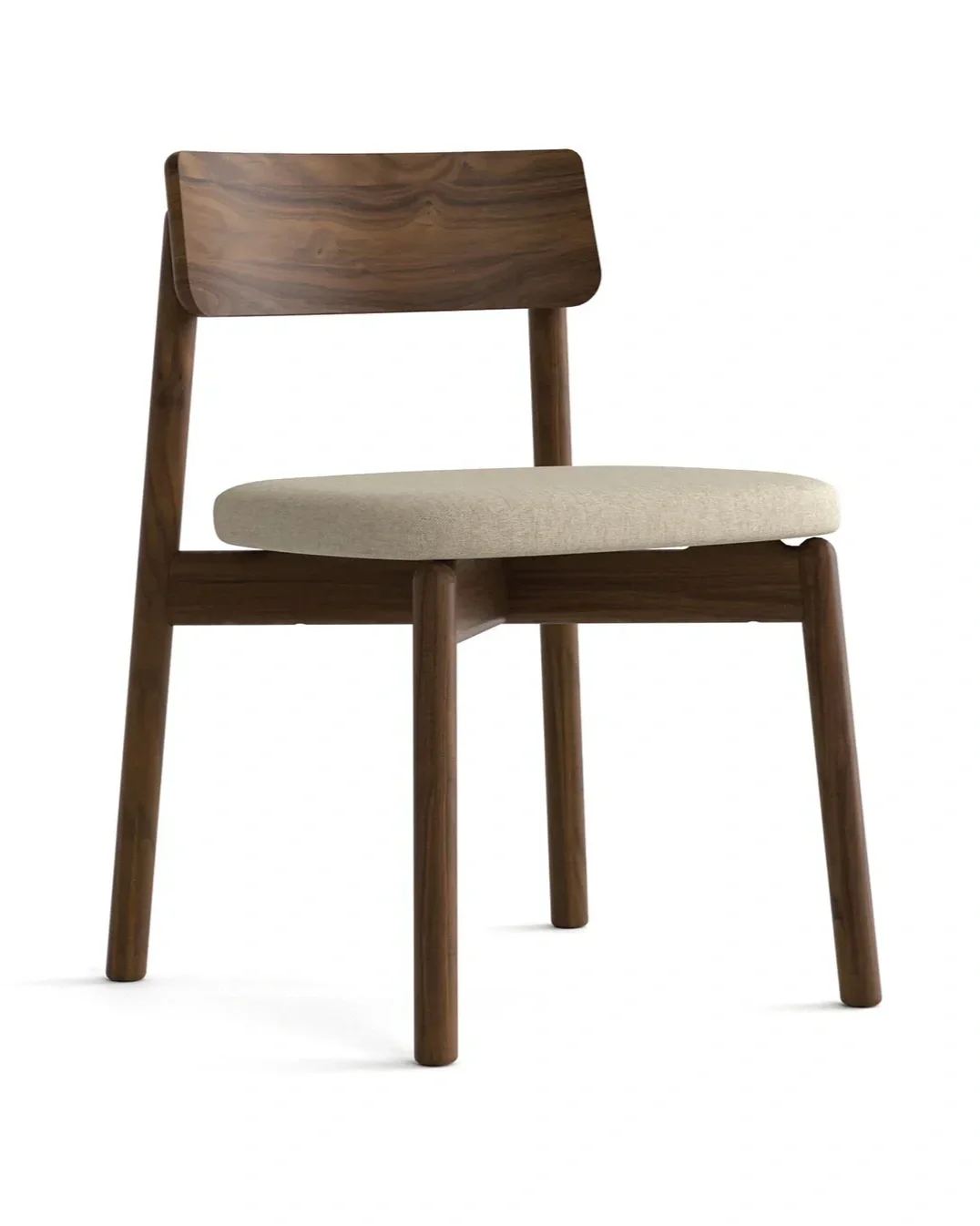
Vermont Woods Studios
Hardwick, Vermont
Solid hardwood furniture made from sustainably harvested Vermont lumber. Their dining tables and bedroom pieces are exceptionally well-constructed and available in a wide range of wood species and finishes. Lead times are reasonable and the customization options are genuinely useful.
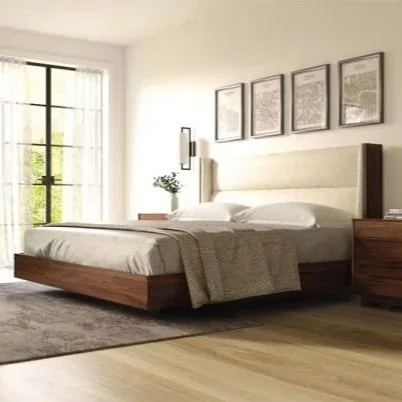
Copeland Furniture
Bradford, Vermont
One of the finest solid wood furniture manufacturers in the country. Their bedroom and dining collections have a clean, contemporary sensibility that works beautifully in both modern and transitional homes. Every piece is made to order in their Vermont mill.
2. Upholstery: Where American Manufacturing Still Leads
Upholstered furniture is one category where American manufacturing has held on most strongly — and for good reason. Custom upholstery requires skilled hand labor that is difficult to offshore at quality, and American workrooms have maintained that expertise.
Beyond quality, domestic upholstery production offers something overseas manufacturing simply cannot: meaningful customization. Fabric, fill, leg finish, seat depth, arm height — American workrooms accommodate these choices as a matter of course. For clients who want a sofa that actually fits their room and their lifestyle, this matters enormously.
Two that stand out:
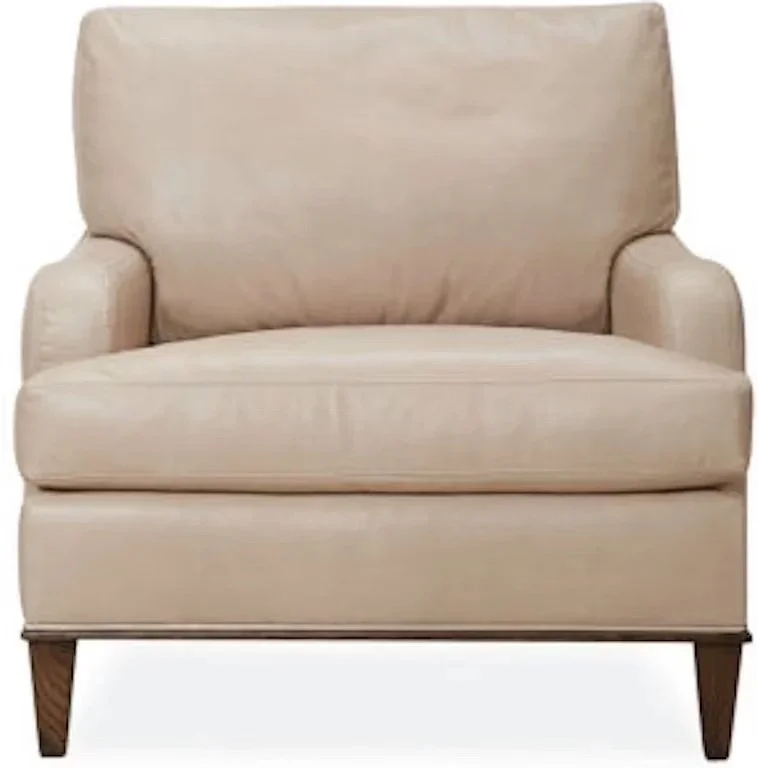
Lee Industries
Newton, North Carolina
Exceptional custom upholstery at a price point that makes it accessible for most projects. Their frames are kiln-dried hardwood, their cushions are high-resilience foam with down wrapping, and the quality of their sewing is well above what you'd find at retail. Available in hundreds of fabrics with a wide range of customization options.
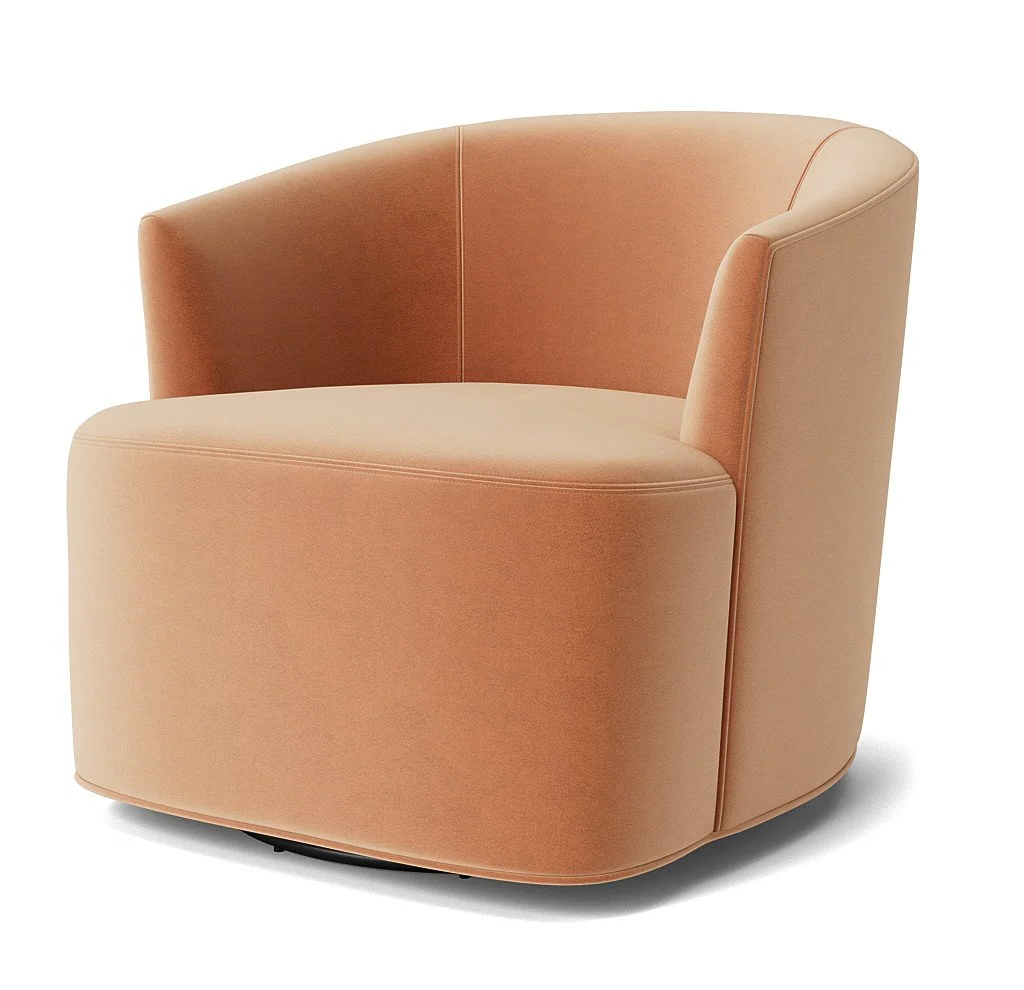
Mitchell Gold + Bob Williams
Taylorsville, North Carolina
Back from it’s closure a few years ago, this brand is more focused on craft and quality and less mass market. American-made upholstery with a clean, contemporary sensibility and strong attention to comfort. Their pieces tend to sit and feel better than their price point suggests — a rarity in the furniture industry.
3. Stone and Tile: The Value of Regional Sourcing
Stone is one area where "American-made" requires some nuance, since the stone itself is quarried rather than manufactured. But regional sourcing still matters — both for environmental reasons and for the character of the material.
American quarries produce some of the world's most distinctive stone, and sourcing domestically means shorter supply chains and more consistent quality control.
Here a a few of our go-to’s:

Vermont Danby Marble
Compared to European marbles like Carrara or Calacatta, Danby marble is harder and less porous. It has an extremely low water absorption rate making it naturally more resistant to stains.
Pennsylvania Bluestone
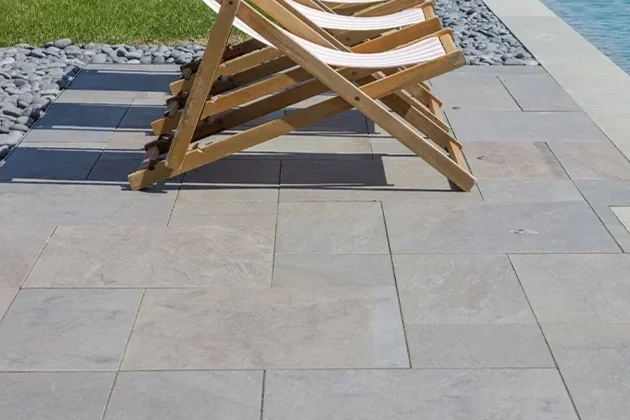
A classic throughout the Northeast — durable, handsome, and at home on terraces, entry floors, and hearths in the kind of houses we work in most often.
4. Lighting: American Studios Doing Exceptional Work
Lighting is a category where American studio makers have surged in recent years, producing work that is genuinely competitive with European imports at comparable or lower price points. The advantage of domestic studios is the ability to communicate directly, customize dimensions and finishes, and receive pieces that haven't spent two months on a container ship.
Here are a few of our top lighting sources:

Remains Lighting
New York, New York
Handcrafted lighting made in New York City, drawing on historical references with a refined, contemporary sensibility. Remains pieces have a weight and character that is difficult to find elsewhere — these are fixtures that anchor a room. They also offer a strong custom program for clients with specific needs.

Hudson Valley Lighting
Savannah, Georgia
One of the most reliable American lighting manufacturers, their range spans traditional to contemporary, with strong collections in aged brass, matte black, and natural materials. Quality control is consistent and lead times are among the best in the industry.
5. Textiles: An American Tradition Worth Reviving
American textile manufacturing was once one of the great industries of New England and the South. Much of that capacity moved overseas in the latter half of the 20th century, but a meaningful number of mills have survived — and a new generation of American textile makers has emerged alongside them.
Makers we often return to:

Kravet
Bethpage, New York
A family-owned fabric and furniture company headquartered right here in New York, with significant domestic production across their brands. Their breadth of offering — from traditional to contemporary, across every price point — makes them a go-to resource for almost every project we take on.
Pine Cone Hill
Great Barrington, Massachusetts
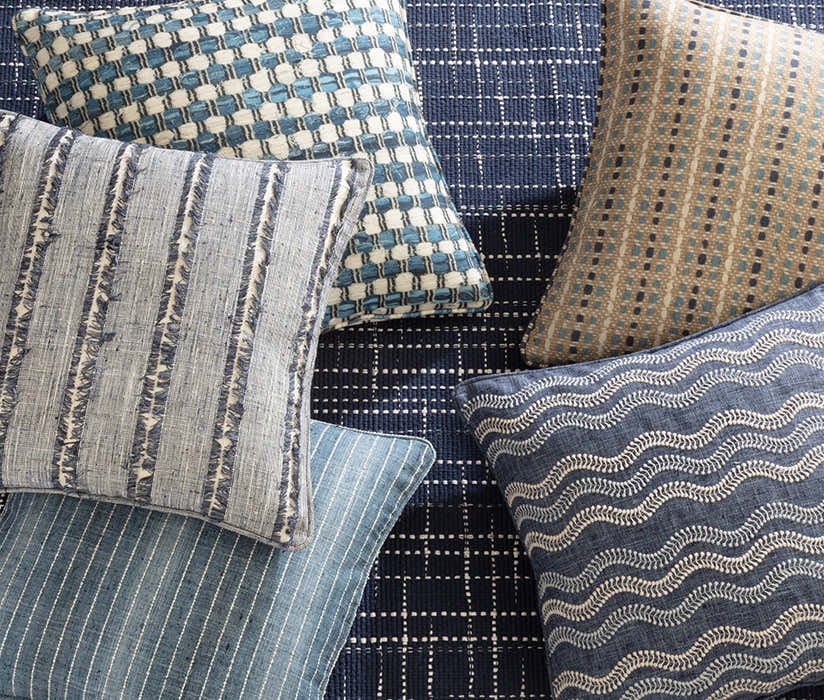
A New England textile maker with a refined, understated sensibility. Their linen and cotton bedding, throws, and decorative textiles have a quiet quality to them — nothing loud, nothing trendy — that layers effortlessly into both traditional and contemporary interiors.
Choosing American made furniture and materials is not about limiting your options — it's about knowing where the best options are. The makers listed here represent a fraction of what's available, but they are ones we return tooften because the quality is reliable, the service is direct, and the story behind the piece is worth telling. In a home built to last, that matters.